Axis Woodland
Caring for axis deer in woodland settings takes close attention to seasonal shifts, shade, water and visitor safety, especially for walk-through agritourism experiences.

Axis deer in our Midlands camps follow a gentle seasonal cycle, with the rut peaking in late summer when the tree canopies are thick and browse is at its best. Fawning runs from late winter into spring, so fawns grow up on the new spring flush. We time visitor walk-throughs and agritourism days for summer and autumn, once the fawns are running with their mothers and the axis coats are at their brightest.
Antler velvet is monitored in early summer, as stags cast and regrow their antlers out of sync with indigenous deer. Winter feed becomes critical as cold fronts roll in: our pasture and forage manager ensures there is always access to good hay, acacia pods, and a lick formulated for browsers.
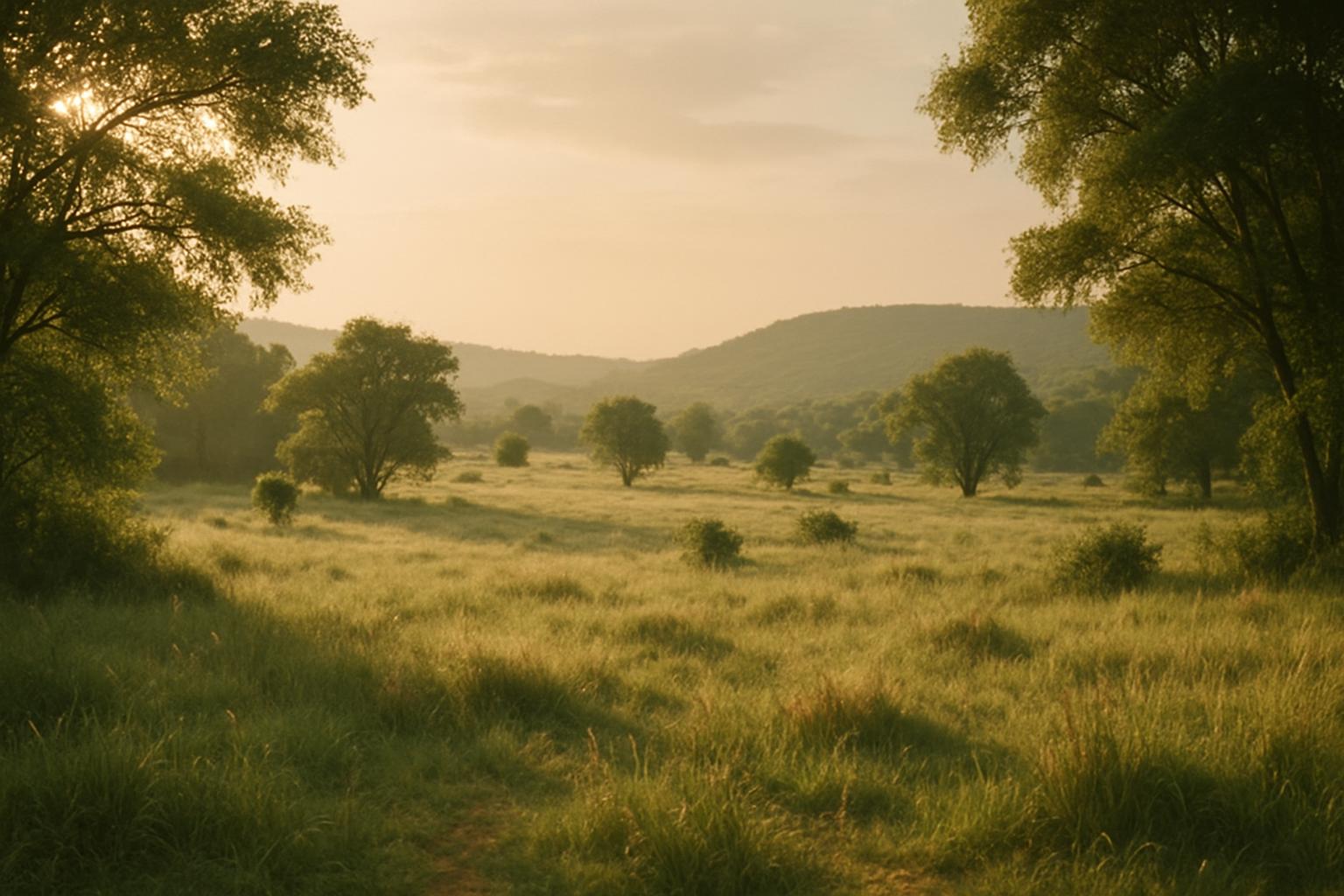
Our woodland camps are built around existing tree lanes, with fenced corridors that let deer move between deep shade and sunny glades. We avoid open, dusty paddocks, as axis need cool cover to browse and rest. Each camp is sized to hold a small breeding group, with plenty of browse and natural undergrowth left in place. Portable water troughs are shaded, and backup water is kept on hand for dry spells.
When a dry El Niño summer is forecast, we stand ready to supplement browse with cut branches and drought buffers if needed. Backup batteries or solar panels keep electric fencing and water pumps running during power interruptions, so the camps remain safe night and day. Visitor lanes are screened by extra fencing, with double gates at entry points for safety.
Handling axis deer for checks, health treatments or movement is always done with calm, quiet routines. Our herd husbandry manager uses low-stress herding methods, moving deer through holding kraals and races at their pace. Any handling for vaccinations or microchipping is planned in advance with our veterinary liaison officer and a local game vet present.
We screen for foot-and-mouth disease risk when animals move off farm, following all new Animal Diseases Act controls. All camps are checked daily for fence faults, water leaks, and animal behaviour. We train our agritourism guides to spot early signs of stress or injury, so any health concern is picked up quickly. Visitors are only allowed in low-risk groups and always under supervision, with clear hygiene and no-contact rules set out before each visit. For any questions about woodland axis deer handling or veterinary support, send a message through our contact form.
Days on the farm
Verified Google reviews