Stud Breeding Programme
Our breeding programme runs to a careful calendar, from the rut through fawning and velvet, with every camp, kraal and gate geared for safety and low stress.
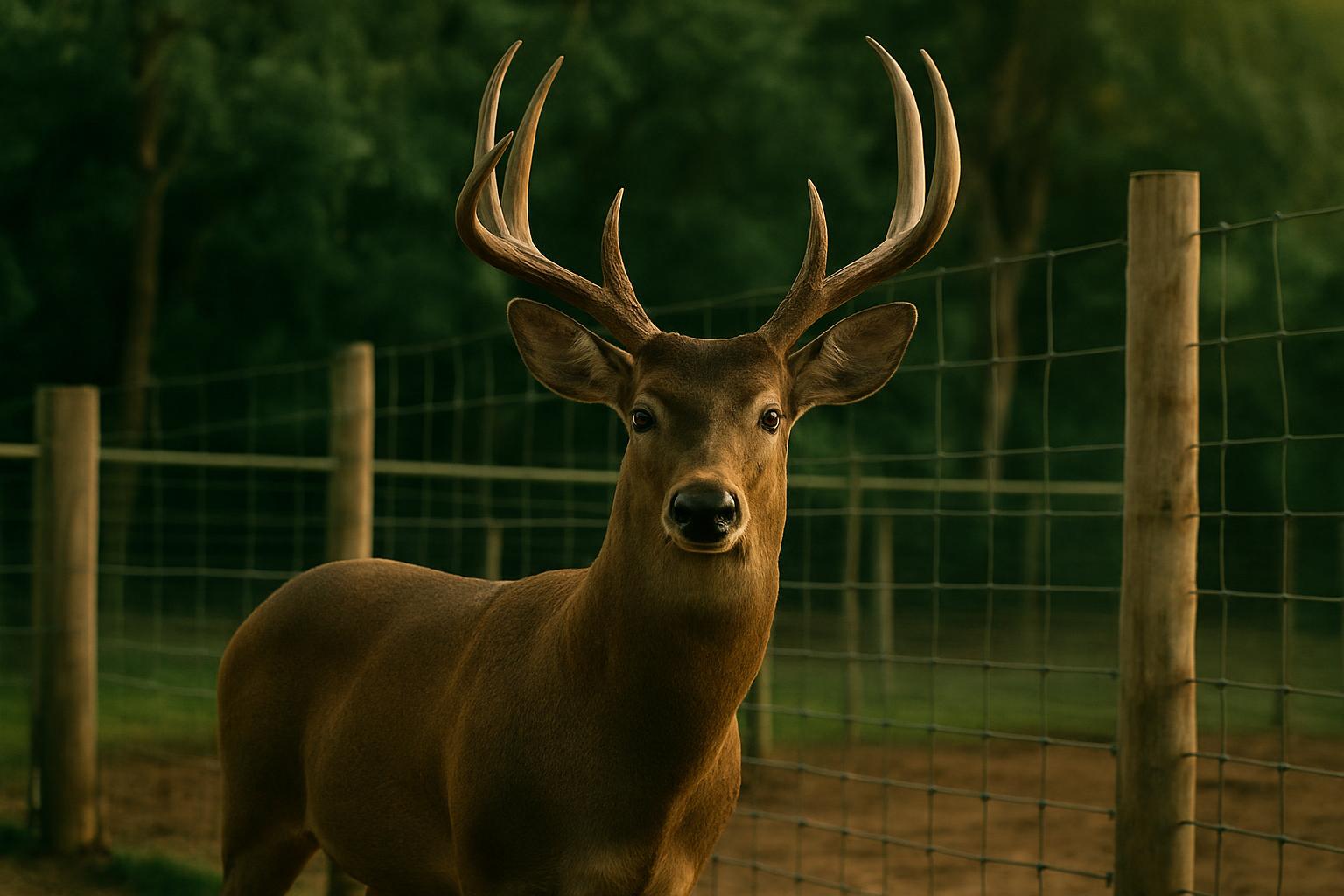
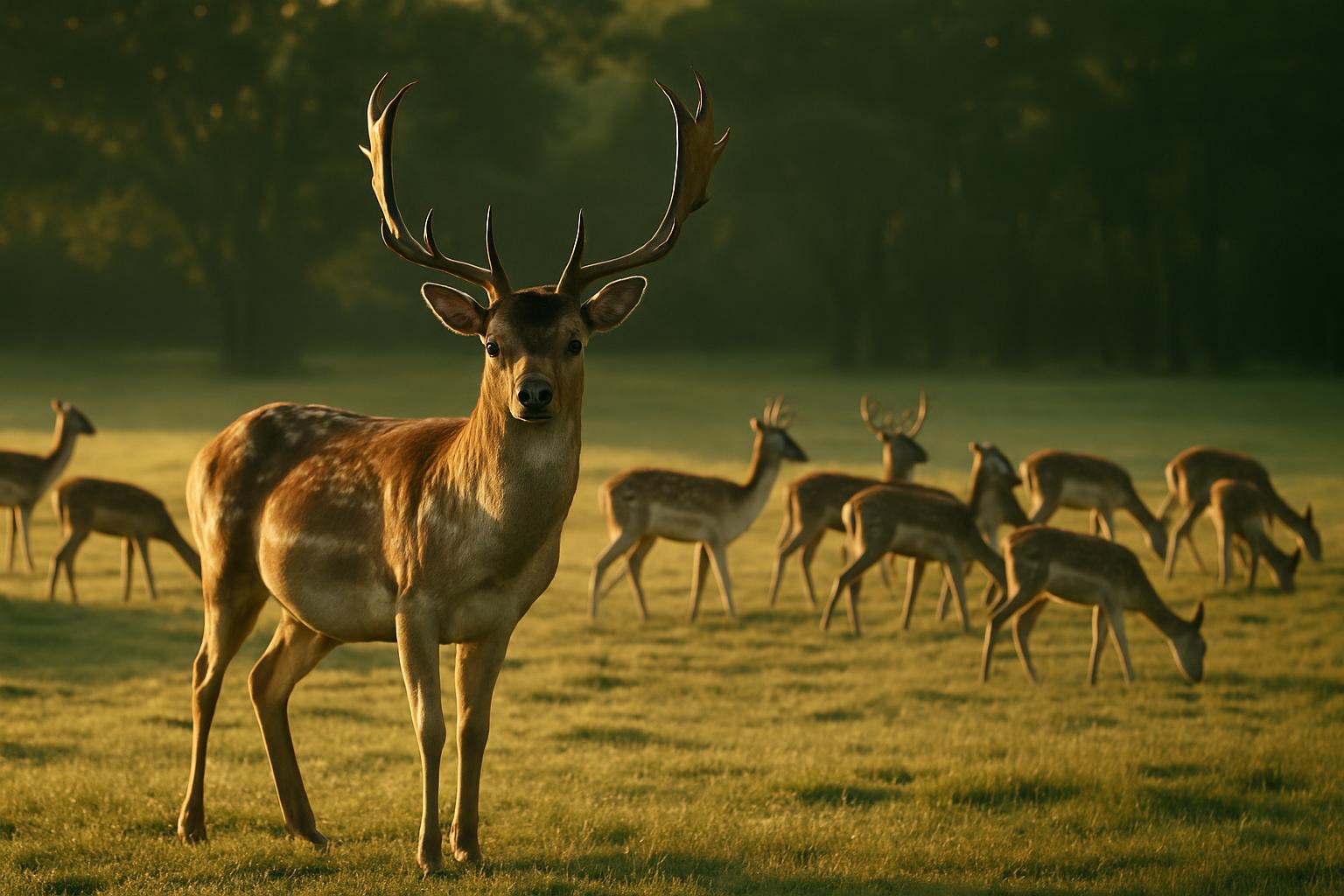
Our stud breeding calendar is set by the natural rhythm of the herds. Rut starts in late autumn for both fallow and red deer, when mature sires are moved into breeding camps with selected females. We mark these pairings on dedicated calendars to match each sire’s line to the right dams and avoid repeat crosses. The rut is a busy time, with careful observation for any injuries or stress, as stags and does test fences and form hierarchies.
Fawning and calving run from November to December, depending on the season and El Niño’s effect on rainfall. We check camps daily during this time for new arrivals and potential issues. New antler grows in velvet through spring into early summer, with extra attention to mineral and protein supplements if drought pressure is high. Once antlers are clean and hard in late summer, routine health checks are done before any stud animals move.
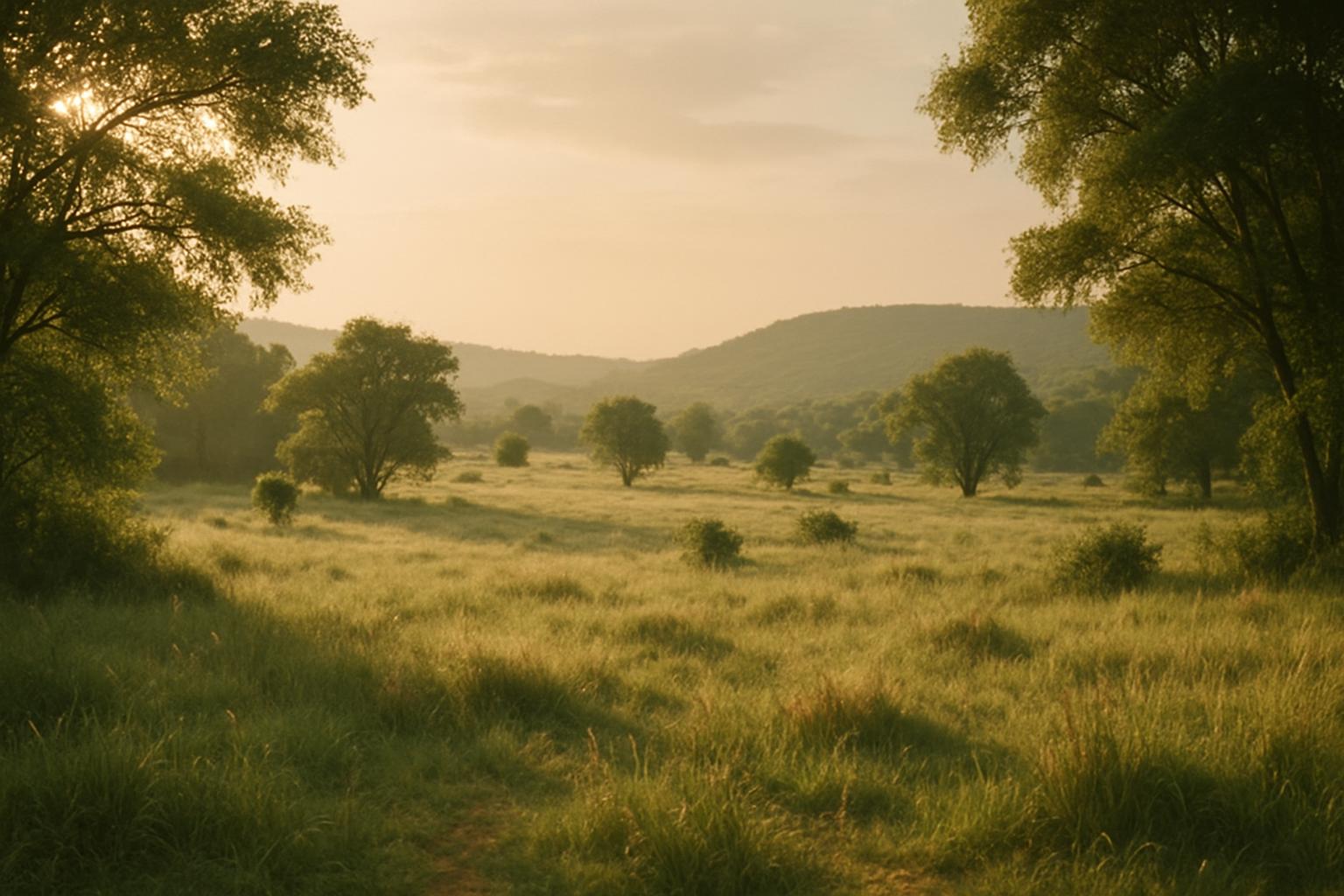
Every breeding camp at Karoo Edge is designed with well-fenced boundaries approved for permitted deer. Camps are large enough for small breeding groups but not so big that daily checks become difficult. We rotate camps to rest the veld and prevent parasite build-up, especially in low-rain years.
Shade comes from established thorn trees and artificial shelters, with water troughs at several points to avoid crowding. During El Niño warnings, we top up water tanks often and monitor the veld for stress. Backup water supplies are always ready for heat spikes, and salt licks are put out to keep mineral intake steady.
Pasture is checked by our pasture and forage manager, who keeps records of forage quality and drought buffer plans. Natural grazing comes first, and supplemental feed is kept for dry spells.
Handling of stud animals is planned for calm and safety, both for the deer and the team. We use kraals with wide, straight lanes and avoid rushing. Most handling is done early in the morning or late afternoon, when temperatures are lower. The electric fence energisers and the cold room have battery and generator backups.
Routine health checks happen before and after the rut, at weaning, and before any animal leaves the farm. Our veterinary liaison officer works with local game vets to handle vaccinations, parasite control, and any special permits needed for movement, including Veterinary Red Cross documents if foot-and-mouth controls apply in the region.
Visitors for buyer appointments or farm tours are given clear biosecurity steps, boots and hands disinfected, no outside feed, and a look at our own records before entry. Booking is always through our farm visits coordinator to keep the process smooth and safe for all.
Days on the farm
Verified Google reviews